Step 1 — Define Your Operating Zone
Start small and go deep. Pick a specific area: a market, a residential estate, a school cluster, or a stretch of waterway. Master the plastic flows in that zone before expanding. Trying to cover too much ground too soon is the single biggest reason new collection businesses fail.
Target zones that generate high volumes of consistent, clean material: hotels, restaurants, offices, and schools tend to produce better-quality plastic than busy markets or road sides.
Step 2 — Identify Your Buyers Before You Collect
This is the most overlooked step. Many collectors start collecting without knowing where they will sell. Use the Plastic Waste Portal to identify buyers in your area. Contact them, understand their quality requirements, confirm their prices, and then start collecting to spec.
Knowing your buyer in advance means:
- You collect the right plastic types (no wasted effort)
- You prepare material to their specifications (no rejections)
- You negotiate a price before you carry a single kilogram
tlook and influence investor sentiment.
Step 3 — Source Your Equipment
Your starting kit:
- Trolley or cart for daily collection rounds (or hire a tricycle on collection days)
- Heavy-duty sacks, colour-coded by plastic type
- A scale for accurate weighing (digital kitchen scales work at small volumes)
- Gloves, boots, and a mask — non-negotiable for health and safety
Total startup cost at this stage: ₦15,000–₦40,000. That’s it.
Register your business with the Corporate Affairs Commission. A registered business gets taken seriously by industrial buyers, can open a business bank account, and is eligible for funding schemes including the MSME survival fund and state recycling incentives.
Step 4 — Build Collection Agreements
Approach hotels, schools, restaurants, and offices with a simple proposal: you will provide colour-coded bins, collect weekly at no charge, and handle disposal responsibly. Most businesses are happy to agree — it saves them sorting and disposal costs. This turns a collection operation into a reliable supply chain.
Step 5 — Record Everything
From day one, track: what you collect, from where, in what volumes, at what quality, what you sell, and at what price. A simple notebook or phone spreadsheet is enough. This data becomes your business case when you approach banks for a loan or impact investors for growth capital. Without data, you are invisible to institutional money.
Growing Beyond Solo Collection
Once you have consistent supply and a reliable buyer, the next step is building a small team. Pay two or three collectors a fair daily rate. Take a margin on what they bring in. Create a simple sorting and storage space. You are now an aggregator — operating at a different level, with access to industrial buyers who don’t deal with individual collectors.
You don’t need a factory or investors to start a plastic collection business. Thousands of Nigerians have built steady, growing income streams from next to nothing. Here is the exact playbook to get started.

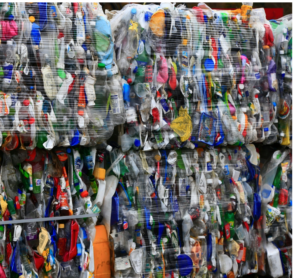

Clean PET bottles are shredded, melted, and extruded into polyester fibre — the same material used in pillows, jackets, and carpet backing. This is a capital-intensive process but the end-product commands very strong pricing and has strong export demand.