Why Recycled Plastic Products Are Growing
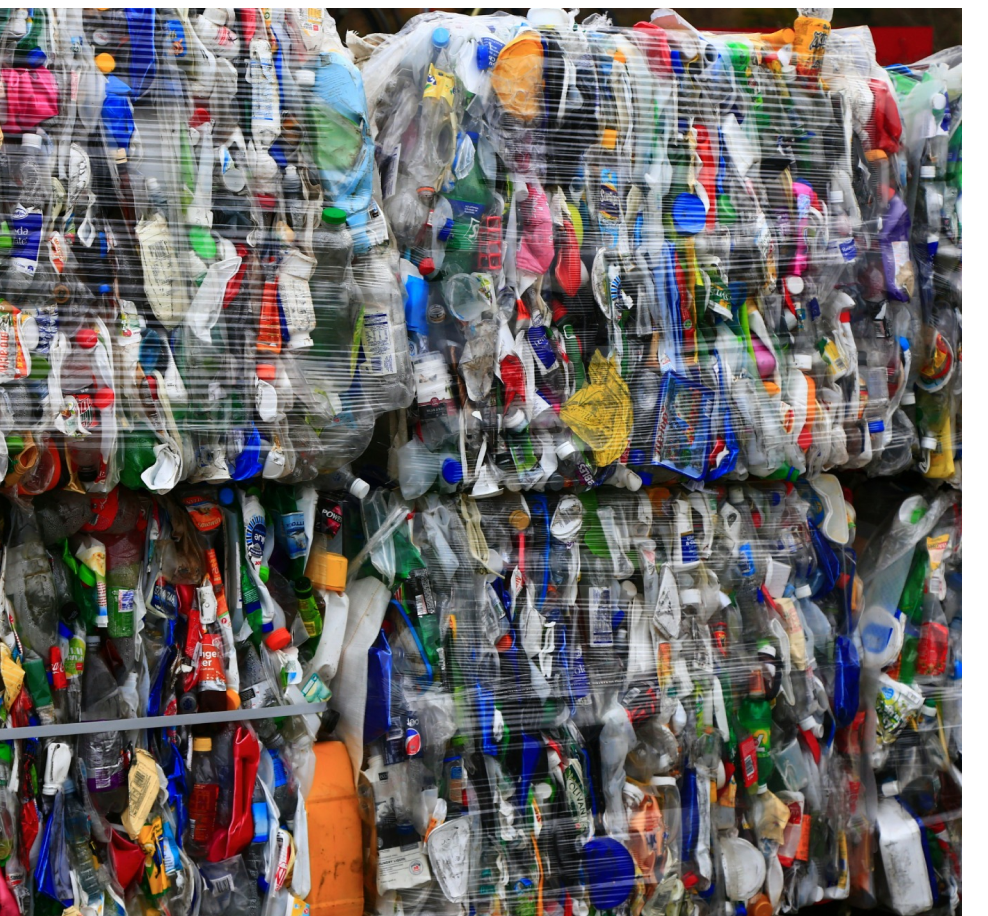
Global demand for recycled content products is surging. Large multinational consumer goods companies, Unilever, Nestlé, PepsiCo, have made public commitments to use 25–50% recycled plastic in their packaging by 2030. Nigeria, as one of Africa’s largest consumer markets and waste generators, is perfectly positioned to supply that demand.
Domestically, the construction sector is discovering that recycled plastic can substitute for sand, gravel, and timber in non-structural applications — with cost savings of up to 30%.
High-Demand Products Made from Recycled Plastics in Nigeria
1. Plastic Bricks and Paving Tiles
Shredded HDPE and LDPE plastics are melted and moulded into interlocking bricks and tiles. These are durable, lightweight, and waterproof. Several Lagos-based manufacturers are supplying pavements, fencing, and flooring to real estate developers. Average production cost: ₦120–₦180 per tile. Market price: ₦250–₦400 per tile.
2. PET Fibre and Polyester Yarn
Clean PET bottles are shredded, melted, and extruded into polyester fibre — the same material used in pillows, jackets, and carpet backing. This is a capital-intensive process but the end-product commands very strong pricing and has strong export demand.
3. Plastic Lumber
A mix of HDPE, PP, and LDPE can be extruded into planks and beams that resemble timber. These are 100% waterproof, never rot or splinter, and do not require painting. Plastic lumber is being used for benches, outdoor furniture, jetty decking, and school furniture across Nigeria.
4. Recycled PET Packaging
The most accessible entry point. Washed and sorted PET flakes can be sold directly to packaging manufacturers, or processed further into preforms for bottle production. Many Nigerian water and beverage companies are actively sourcing rPET to meet corporate sustainability targets.
“We called Imagine Clany Eco when another company cancelled on us last minute for our move-out cleaning. Clany Eco was able to book us and make it out in 2 hours and did an amazing job. We even got our deposit back.”
John Smith, CEO & Owner Tweet
Setting Up a Small-Scale Processing Unit
The minimum equipment for a small-scale plastics recycling operation includes:
- Plastic shredder/granulator — Breaks material into flakes. Cost: ₦250,000–₦600,000 locally fabricated
- Washing tank and drying area — Removes contaminants. Cost: ₦50,000–₦100,000
- Extruder or press mould — Shapes product. Cost: varies by application
- Sorting table and scales — Quality control. Cost: ₦30,000–₦80,000
Total setup for a basic brick-making operation: ₦400,000–₦1,000,000. Monthly revenue at 500 bricks/day at ₦300/brick: approximately ₦4,500,000. This makes plastics recycling manufacturing one of the strongest return-on-investment businesses available at the micro-enterprise level.
Compliance and Certification
The Standards Organisation of Nigeria (SON) has published guidelines for recycled plastic products. Certification is increasingly required by government contracts and export buyers. Register with SON and consider obtaining ISO 9001 quality management certification — it opens doors that informal sellers simply cannot access.
Nigeria’s plastic recycling sector is creating an entirely new category of product, made entirely from waste. From construction bricks to fashion accessories, the material of tomorrow is literally on your street today.


Nigeria’s plastic recycling sector is creating an entirely new category of product — made entirely from waste. From construction bricks to fashion accessories, the material of tomorrow is literally on your street today.