
Most plastic waste sellers in Nigeria leave significant money on the table. By upgrading how you collect, sort, and market your materials, you can multiply your earnings while contributing to a cleaner, greener Nigeria.
Understanding the Nigerian Plastic Waste Market
Nigeria generates an estimated 2.5 million tonnes of plastic waste every year. Less than 12% of that is currently recycled. That gap represents an enormous opportunity — billions of naira in raw materials that are either burned, dumped in waterways, or buried in landfills when they should be circulating in the value chain.
The plastic waste economy in Nigeria spans collectors, aggregators, industrial buyers, exporters, and manufacturers. Each link in this chain is willing to pay a premium for quality, sorted, and consistently supplied material. If you are a seller, your positioning within that chain determines almost everything about your margin.
Step 1 — Sort Before You Sell
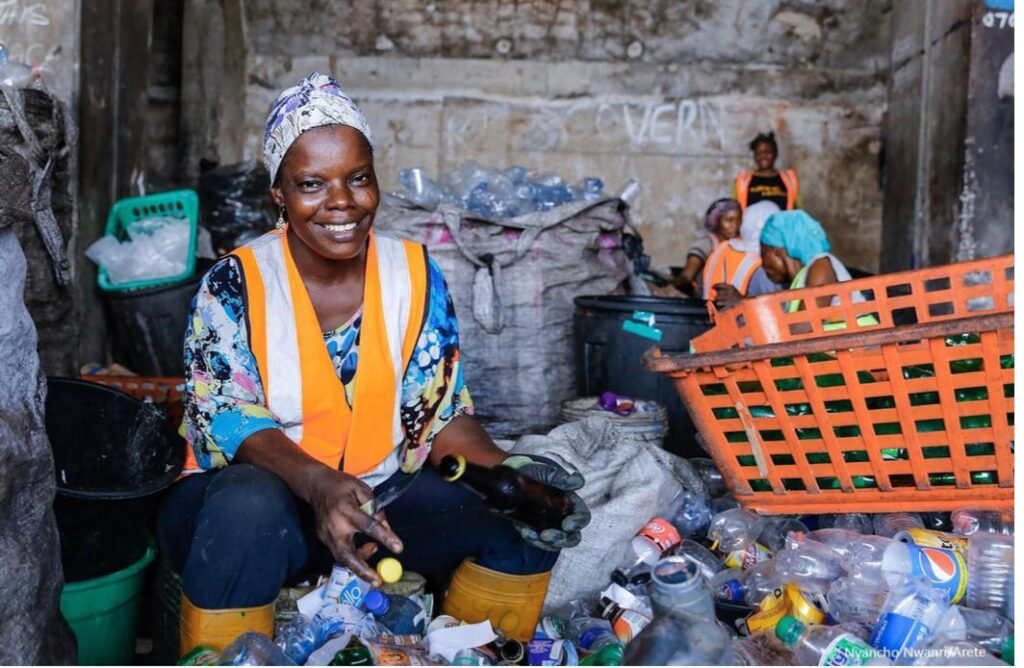
The single highest-leverage action any plastic waste seller can take is sorting. Unsorted mixed plastic might fetch ₦30–₦60 per kilogram. Clean, sorted PET bottles can command ₦80–₦120 per kilogram from industrial buyers. HDPE (milk jugs, shampoo bottles) can exceed ₦100/kg if cleaned and baled.
The major plastic categories to learn are:
- PET (Polyethylene Terephthalate) — Clear drinks bottles; highest demand and best price
- HDPE — Coloured, thick bottles; strong market from pipe manufacturers
- PP (Polypropylene) — Bottle caps, packaging trays; growing export demand
- LDPE — Plastic bags; lower price, high volume
- PVC — Pipes and fittings; specialised buyers, handle with care
Step 2 — Build Volume Through Community Networks
Individual collection has a ceiling. The highest-earning plastic sellers in Nigeria don’t collect alone, they become aggregation points for a neighbourhood. Build relationships with street collectors, market traders, schools, and businesses. Offer a consistent collection service and a fair daily price. Then aggregate, sort, and sell in bulk.
A network of 20 street collectors supplying you daily can push your monthly volumes past 5 tonnes, crossing the threshold where industrial buyers and exporters begin offering long-term contracts.
Step 3 — Know Your Buyers
There are three tiers of buyers in the Nigerian market:
- Local recyclers and processors — Nearby, consistent, but lower prices. Good for fast turnaround.
- Industrial manufacturers — Pipe makers, packaging companies, footwear. Pay premium for sorted, clean material. Require volume.
- Exporters — Best prices, strict quality requirements, minimum volumes of several tonnes per shipment. Reachable only once you have scale.
The Plastic Waste Portal allows you to list your materials and connect directly with all three tiers. Verified buyers browse supplier profiles daily — your listing is your storefront.
Step 4 — Price Based on Real-Time Demand
Plastic commodity prices fluctuate with crude oil, shipping costs, and global demand for virgin plastic alternatives. A sharp seller tracks prices weekly. Use community discussions on the Plastic Waste Portal to stay informed on market rates before agreeing to a deal.
Certified ethical-source recycled PET commands up to 3× the price of standard recycled plastic in European markets. Nigeria's informal collection workforce is a competitive advantage waiting to be formalised.
The Environmental Multiplier
Every kilogram of plastic you divert from landfills or waterways reduces carbon emissions, prevents microplastic contamination of waterways, and preserves public health. Several international sustainability certification schemes now reward sellers and aggregators who can document this impact. Those certifications can open European and American export markets where buyers pay significantly above-market rates for verified, ethical-supply-chain materials.
Start Today
You don’t need capital to start. You need sorting knowledge, reliable relationships, and visibility. The Plastic Waste Portal gives you visibility — list your business, browse buyers, and join the Selling discussions to connect with sellers who have already made this journey.

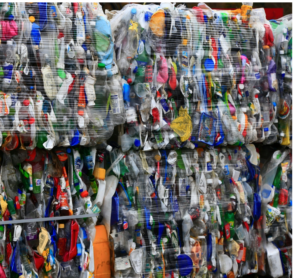

Domestically, the construction sector is discovering that recycled plastic can substitute for sand, gravel, and timber in non-structural applications — with cost savings of up to 30%.