Making a healthy living condition through proper disposal and recycling. Nigeria’s waterways are drowning in plastic — but a growing movement of communities, entrepreneurs, and changemakers is fighting back, one bottle at a time.
The State of Nigeria's Waterways
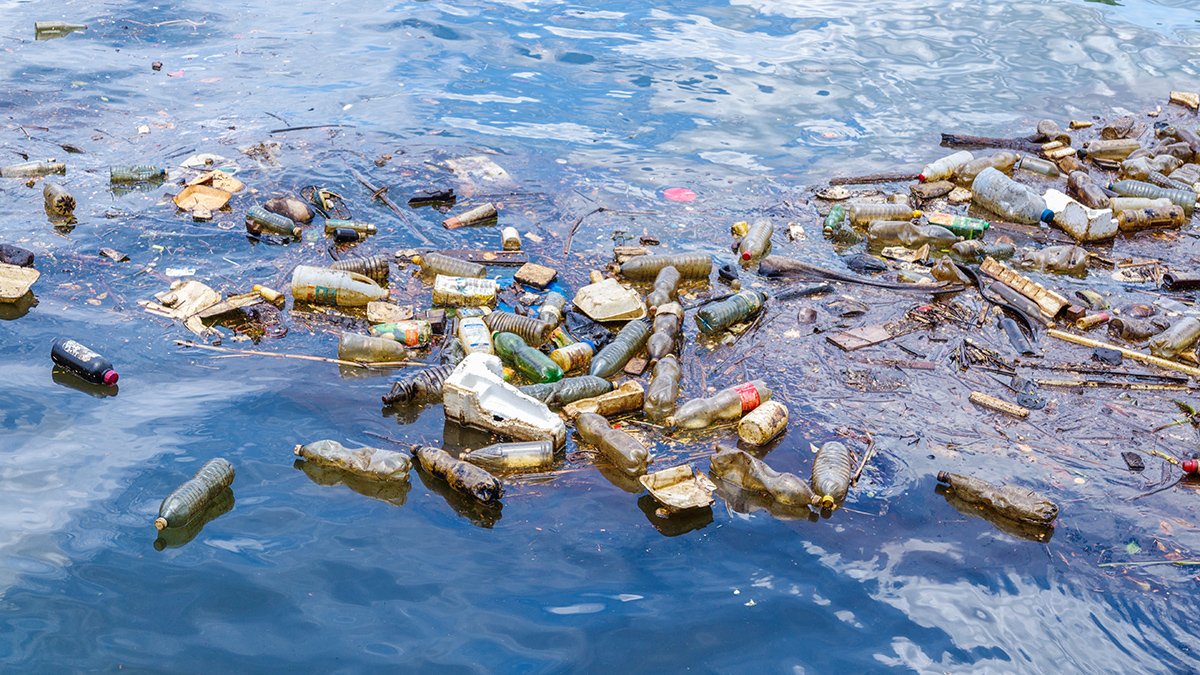
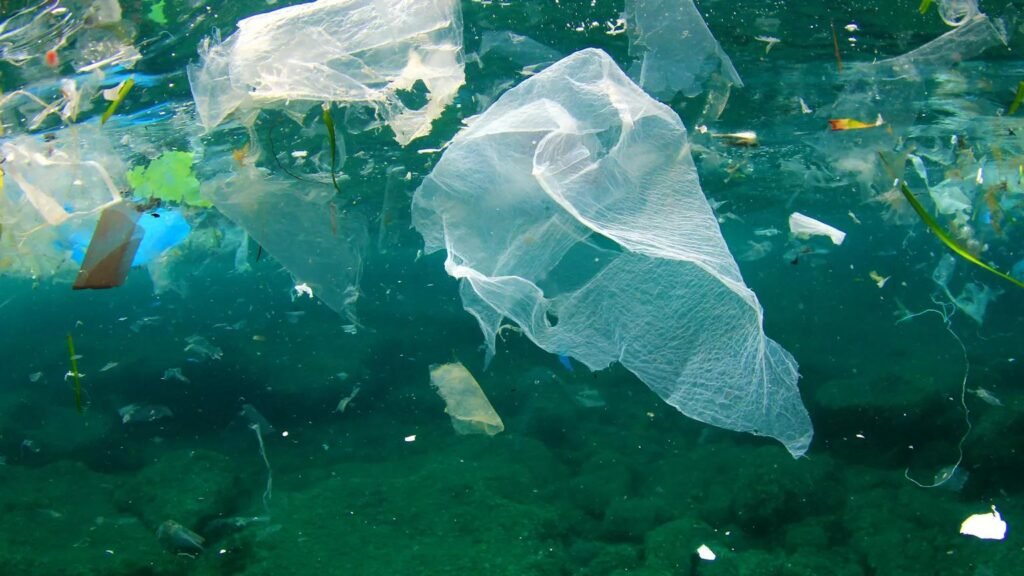
Nigeria has one of Africa’s most extensive river networks — the Niger, Benue, Cross River, and their countless tributaries sustain tens of millions of people. They also carry an estimated 1.5 million tonnes of plastic into the Atlantic Ocean every year, making Nigeria one of the top contributors to ocean plastic pollution globally.
The consequences are documented and severe. Plastic in waterways reduces dissolved oxygen levels, kills fish populations that communities depend on for protein, spreads waterborne disease, and damages the livelihoods of fishermen and riverside traders. This is not an abstract environmental concern — it is a daily, immediate public health crisis.
The Root Causes
Three factors drive Nigeria’s waterway plastic problem:
- Inadequate waste collection infrastructure — Formal waste collection reaches fewer than 30% of Nigerian households.
- Single-use plastics in the FMCG sector — Sachets, wrappers, and single-use bags dominate lower-income consumer packaging and have almost no formal collection infrastructure.
- Open burning as a disposal default — Where no collection service exists, burning is the dominant alternative. Wind carries unburned fragments into waterways.
What's Working: Community-Led Waterway Cleanup
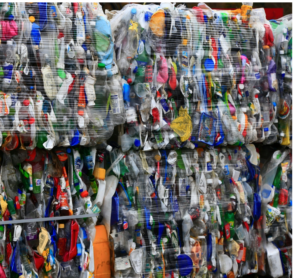
In Port Harcourt’s Bonny Island, a community cooperative has removed 12 tonnes of plastic from the local creek since 2022. They sort and sell recoverable material through the Plastic Waste Portal network, generating income that funds ongoing cleanup operations. It is a self-financing environmental movement and a model replicable everywhere.
In Anambra, schoolchildren participate in weekly collection drives that feed plastic to a local tile-making cooperative. The programme has kept the Idemili River, once severely clogged navigable for the first time in a decade
Every piece of plastic in a Nigerian waterway today was once someone's daily purchase — a sachet of water, a snack wrapper, a bottle. The solution is not to shame individuals; it is to build the systems that make responsible disposal the path of least resistance.
Proper Disposal: What Individuals Can Do Now
- Segregate plastic at source. Keep a dedicated bin for clean plastic.
- Crush PET bottles to reduce volume before bagging.
- Never burn plastic — the fumes are acutely toxic and fragments spread further.
- Connect with your nearest collection cooperative through the Plastic Waste Portal.
- Advocate within your estate, school, or workplace for formalised collection contracts.
A Call to Action
Nigeria cannot recycle its way out of an infrastructure deficit. But every community organisation that starts a collection scheme, every business that formalises its waste disposal, and every government that invests in sorting infrastructure makes the mountain smaller. The Plastic Waste Portal exists to connect the people already doing this work — join them.